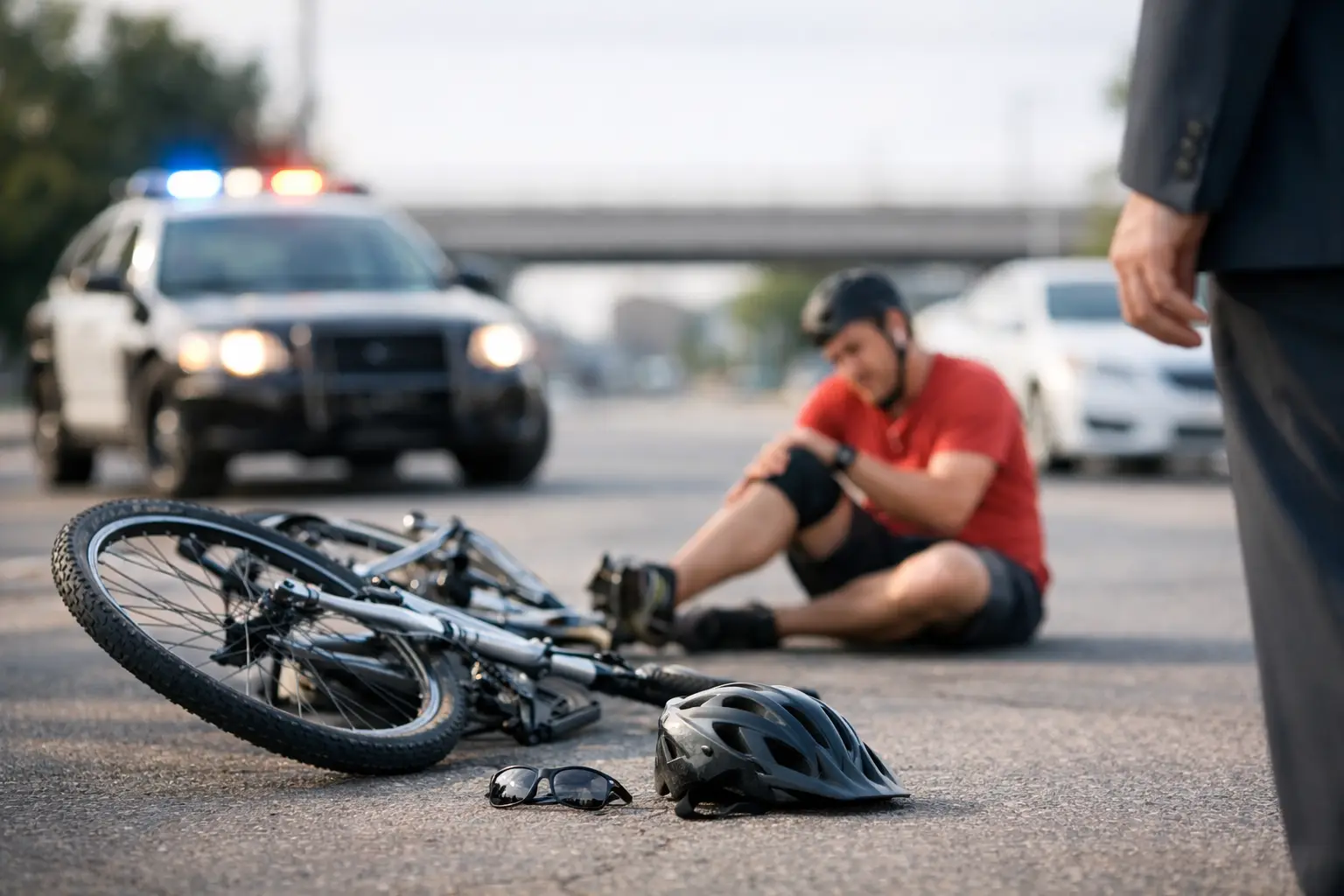
A bicycle crash can change the course of an ordinary day in seconds. One driver’s failure to yield, an opening car door, or a dangerous road condition can leave a cyclist facing painful injuries, a damaged bike, missed work, and insurance calls that start before the full extent of the harm is clear. This guide to bicycle accident claims explains practical steps Minneapolis and Twin Cities riders can take to protect their health, preserve their rights, and avoid rushing into an unfair settlement.
Start With Medical Care and a Clear Record
Your first job after a bicycle accident is to get medical attention. Adrenaline can hide symptoms of a concussion, neck injury, back injury, or internal injury. Some conditions become more apparent over the following days, so follow up with a doctor if pain, dizziness, numbness, headaches, or other symptoms continue.
Medical records do more than document treatment. They connect your injuries to the crash, show the care you needed, and help establish how the injuries have affected your ability to work and live normally. Be honest with your providers about every symptom and limitation. If your shoulder pain makes it hard to lift equipment at work or a head injury prevents you from concentrating, say so.
A police report can also be useful, but it is not the final word on fault. Officers may arrive after the crash, hear conflicting accounts, or have limited information about how the collision happened. Review the report when it becomes available and raise factual errors promptly. Keep copies of medical bills, prescriptions, mileage for treatment, repair estimates, and proof of lost income.
Preserve Evidence Before It Disappears
The strongest bicycle accident claims are built on evidence gathered early. A damaged bicycle can show where a vehicle struck it. A helmet, torn clothing, photographs of bruising, and images of the roadway may all help explain the force and circumstances of the crash.
If you can do so safely, take photographs of the scene, vehicle positions, traffic signals, lane markings, debris, weather conditions, and visible injuries. Get the driver’s name, contact information, insurance details, and license plate number. Ask witnesses for their names and phone numbers. Independent witnesses can be especially important when a driver denies seeing a cyclist or claims the cyclist caused the collision.
Do not repair, discard, or throw away the bicycle and other damaged equipment until the claim has been evaluated. Save any ride-tracking data, smartwatch information, or video from a helmet or handlebar camera. Nearby business, home, transit, or traffic cameras may have recorded the incident, but footage is often overwritten quickly. A prompt investigation can make the difference between a disputed account and a claim supported by objective evidence.
Know How Fault Works in Minnesota
Many bicycle crashes happen because a motorist fails to share the road safely. Common examples include a driver turning across a bike lane, entering traffic without checking for cyclists, passing too closely, running a stop sign, speeding, distracted driving, and opening a vehicle door into a cyclist’s path.
Still, insurance companies frequently look for ways to place blame on an injured rider. They may argue that the cyclist was riding outside a bike lane, lacked lights at night, moved unexpectedly, or failed to obey a traffic rule. The facts matter. Bicyclists have legal duties, but they also have the right to use Minnesota roads in many circumstances.
Minnesota follows a comparative fault rule. If an injured cyclist is partly at fault, compensation may be reduced by that percentage. A rider who is found more at fault than the other party may be barred from recovering damages. This is why casual statements such as “I came out of nowhere” or “I probably should have seen them” can create problems. Stick to the facts. Do not guess about speed, distance, or fault at the scene or during an insurer’s recorded interview.
Understand Which Insurance May Apply
Bicycle accident insurance questions can be more complicated than they first appear. The at-fault driver’s liability coverage may pay for injuries and property damage when the driver caused the crash. But that is not always the only policy available.
Minnesota’s no-fault system can provide personal injury protection benefits in certain motor vehicle accidents. Depending on the circumstances, a cyclist may have access to no-fault benefits through their own auto policy or a policy held by a resident family member. These benefits may help with medical expenses, wage loss, and other eligible losses, regardless of fault. The exact coverage question depends on the household, policy language, vehicle involvement, and facts of the crash.
If the driver has no insurance, too little insurance, or leaves the scene, uninsured or underinsured motorist coverage may also matter. Do not assume there is no claim simply because the driver says they lack coverage. A careful review of all potential policies is necessary before accepting that answer.
Be Careful When an Insurance Adjuster Calls
An insurance adjuster may sound concerned and helpful. Their role, however, is to resolve the claim for the insurance company, often for as little as possible. An early settlement offer may arrive before you know whether you will need surgery, physical therapy, time away from work, or ongoing care.
You can provide basic information about the crash, but you are not required to give a recorded statement to the other driver’s insurer before you understand your rights. You should also be cautious about signing a broad medical authorization. The insurer may seek records unrelated to the crash in an effort to argue that your pain existed before the collision.
A settlement release is final in most cases. Once signed, it generally prevents you from seeking additional payment later, even if your injuries prove more serious than expected. A fair evaluation considers not only current bills, but also future treatment, lost earning capacity, permanent impairment, pain, emotional distress, and the practical ways an injury has disrupted your life.
Measure the Full Impact of the Crash
A bicycle accident claim is not limited to the emergency room bill. A serious collision can affect every part of a person’s routine. You may need help with household tasks, miss family activities, cancel work opportunities, or lose the ability to exercise and commute as you did before.
Damages may include medical expenses, rehabilitation costs, lost wages, loss of future earning ability, bicycle and equipment damage, and pain and suffering. The value of a claim depends on the evidence, available insurance coverage, fault, the severity and duration of injuries, and how clearly the losses can be documented.
Keep a simple journal during recovery. Record pain levels, missed workdays, treatment appointments, sleep problems, activities you cannot perform, and medications you take. This is not about exaggeration. It is about preserving an accurate picture of what the crash has cost you while the details are fresh.
When to Speak With a Bicycle Accident Lawyer
Not every bicycle crash requires a lawyer. A minor collision involving no injury and limited property damage may be resolved directly with an insurer. But legal guidance becomes especially valuable when injuries are significant, fault is disputed, a driver was uninsured, multiple policies may apply, or the insurer offers a settlement that does not match the losses.
A thorough attorney review can identify evidence to preserve, insurance benefits that may be available, and weaknesses in the insurer’s position. It can also prevent costly mistakes while you focus on treatment. At the Law Office of Martin T. Montilino, injured clients receive direct attorney-led guidance, an honest assessment of their case, and advocacy prepared for negotiation or trial when necessary.
Do Not Wait for the Problem to Get Bigger
Legal and insurance deadlines can apply to bicycle accident claims, and evidence becomes harder to obtain with time. Waiting may also give an insurer the opportunity to question why injuries were not promptly treated or reported. There is no benefit to accepting blame or accepting a quick payment before you know what the crash will require of you.
If a driver’s negligence caused your bicycle accident, take the claim seriously from the start. Get the care you need, protect the evidence, and ask for help before an insurance company defines the story of what happened. A free case evaluation can provide a clear next step when the path forward feels uncertain.