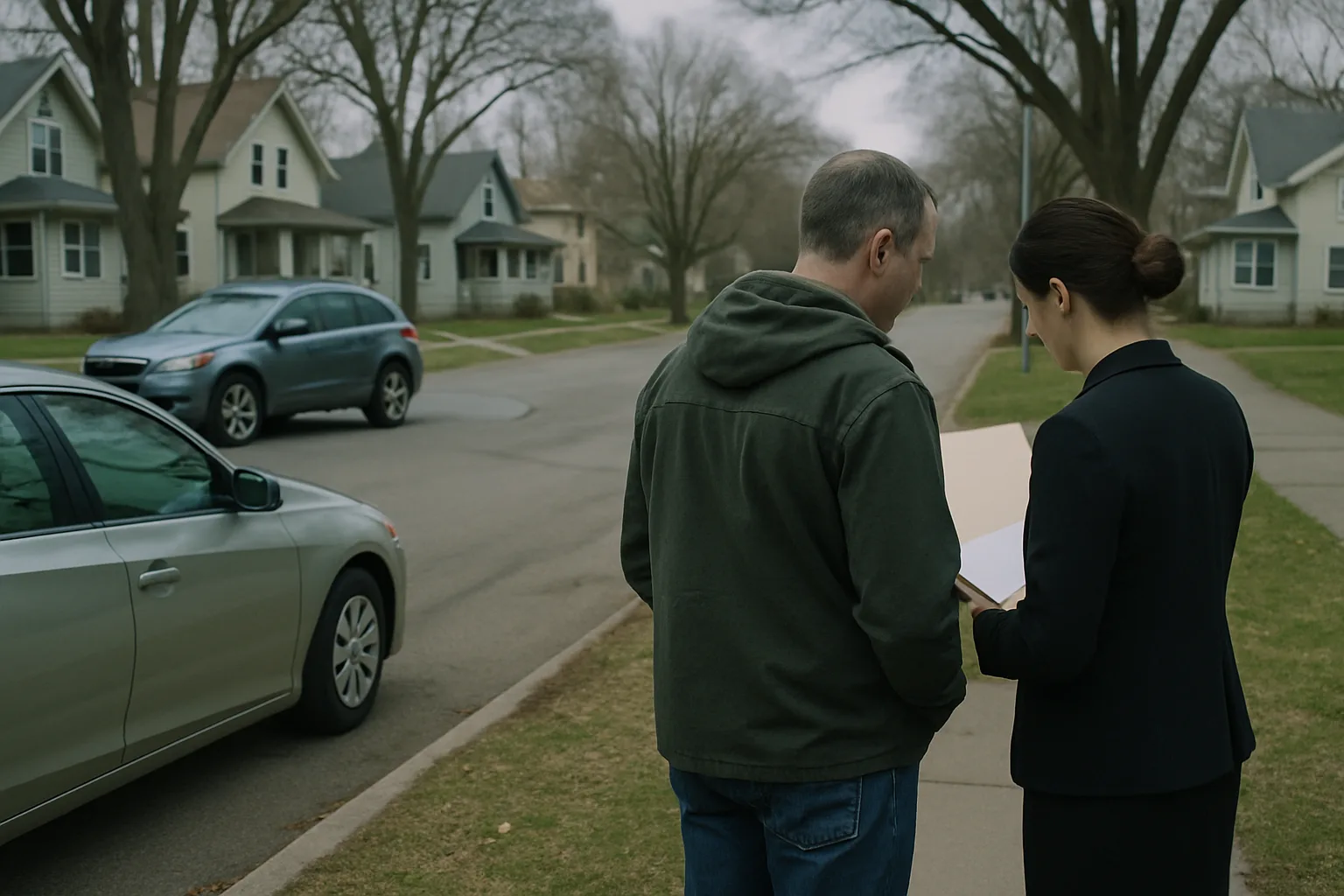
If another person was driving the car that struck you, you may naturally focus on the driver. But identifying the vehicle owner can also matter. The answer to when can you sue the owner of a car driven by someone else in Minnesota? depends on facts such as permission, control, the driver’s relationship to the owner, and what the owner knew before allowing the vehicle to be used.
Minnesota car accident vehicle owner liability is not automatic simply because someone holds title to a vehicle. In some cases, however, the owner, leasing company, employer, or another person with control over the vehicle may be connected to a claim. Martin Montilino helps injured people understand how these issues can affect an investigation and potential insurance recovery. This article explains the difference between driver negligence and owner-related theories, the records that may help, and common mistakes to avoid in Minneapolis, mn.
When Can You Sue a Vehicle Owner After a Minnesota Car Accident?
The driver is generally the primary focus when a crash resulted from careless conduct, such as following too closely, failing to yield, or driving while distracted. A claim against the driver usually requires evidence that the driver owed a duty of reasonable care, breached that duty, and caused legally recognized harm.
Ownership creates a separate question. A vehicle owner may face potential liability when facts establish an independent legal basis beyond title ownership. The details matter, and Minnesota law can vary depending on the relationship between the people involved and the available insurance coverage.
Permission and permissive use
If the owner allowed another person to use the vehicle, the insurance policy covering the vehicle may become important. The policy language, exclusions, permitted-use provisions, and facts surrounding the trip can affect whether liability coverage applies. This is why permissive use Minnesota insurance questions should be reviewed with the actual policy rather than assumed from a brief conversation about permission.
Permission may be express, such as lending the keys, or implied from an established practice. A person who took the vehicle without permission may present a different coverage and liability analysis. Even when permission is disputed, the driver may still be separately responsible for negligent conduct.
Negligent entrustment and related theories
A potential negligent entrustment claim generally focuses on what the owner knew or should have known when allowing someone to use the car. For example, evidence may matter if the owner knew of a driver’s inability to operate the vehicle safely, lack of legal authorization to drive, or serious driving-related limitations. The precise requirements depend on the facts and Minnesota law.
The question is not simply whether the driver caused the crash. It is whether the owner’s own conduct in providing or controlling the vehicle may have contributed to the harm. A Minneapolis, mn attorney can evaluate these issues without assuming that ownership alone proves fault.
What Ownership, Control, and Insurance Records May Show
In a car accident caused by someone else’s vehicle, early information may identify only the driver. The registered owner could be a different person, a business, a rental company, a lessor, or a lender. Ownership and control disputes can affect both liability and the insurance policies that may need to be notified.
Useful records may include:
- The law-enforcement crash report and photographs from the scene.
- Vehicle registration, title, and license-plate information obtained through appropriate legal channels.
- Insurance identification cards, declarations pages, policy information, and claim correspondence.
- Lease, rental, fleet, or employer-use records showing who possessed or controlled the vehicle.
- Messages, emails, or other communications concerning permission to use the car, when lawfully available.
- Employment or delivery records that may show whether the driver was acting for a business.
- Vehicle maintenance or custody records when the condition or control of the car is relevant.
Local investigation and insurance issues
Minnesota crash reports may be prepared by law enforcement, and records may also come from insurers, vehicle owners, employers, or the Minnesota Department of Public Safety’s Driver and Vehicle Services division. Access rules and privacy limits can apply. A lawyer may use formal requests, authorizations, or discovery in a civil case when voluntary cooperation is incomplete.
In Minneapolis and Hennepin County, a potential lawsuit may proceed in a court with jurisdiction over the parties and dispute. The location of the crash, residence or business location, amount in controversy, and other procedural factors can affect where a case belongs. No-fault benefits may address certain medical expenses or wage losses for an injured Minnesota resident, but those benefits do not necessarily resolve a separate claim for liability damages.
Additional coverage may also exist through the driver’s policy, the owner’s policy, a household policy, an employer’s policy, or other applicable insurance. Coverage questions are contract-specific. A policy that appears relevant does not automatically mean every loss is covered, and an insurer’s initial position may not settle the legal question.
What Injured People Should Know Before Pursuing Owner Liability
Investigating the owner is often a process rather than a single step. The following practices can help preserve useful information while avoiding assumptions:
- Separate known facts from conclusions. Record who was driving, what the driver said about the vehicle, and what the crash report identifies. Do not assume the driver owned the car or that the owner accepted responsibility.
- Preserve insurance information. Keep photographs of insurance cards, letters, claim numbers, and communications. Avoid altering or discarding original documents.
- Identify business relationships. If the vehicle had commercial markings or was being used for work, note the circumstances without assuming the driver’s legal employment status.
- Ask how the vehicle was obtained. A borrowed car, leased vehicle, rental car, company vehicle, and household vehicle can raise different questions about possession and control.
- Be careful with recorded statements. Insurers may request information about the crash, injuries, and vehicle use. The effect of a statement depends on its wording and context; legal guidance may be useful before responding to complex requests.
- Track injury-related losses. Keep bills, wage documentation, appointment records, and other materials requested by providers or insurers. These records can help evaluate damages, but they should not be altered or overstated.
A potential claim may involve multiple parties, but adding a defendant is not always appropriate. The evidence must support a legally recognized theory, and comparative-fault principles may affect recovery when more than one person contributed to an accident. Deadlines also apply in Minnesota, and different claims or parties may raise different timing issues. Because laws and procedures can change, a Minneapolis, mn legal professional can assess the current rules applicable to a particular matter.
Frequently Asked Questions
Can I sue the registered owner if I never spoke with that person?
Possibly, but registration alone does not necessarily establish liability for a crash. The owner may be relevant because of permission, negligent entrustment, an agency relationship, insurance coverage, or control over the vehicle. Evidence may be needed to identify the owner and determine the legal theory. In Minnesota, the facts and applicable policy language should be reviewed before drawing conclusions about an owner’s responsibility.
Does the owner’s insurance cover a driver who borrowed the car?
It may, depending on the policy, the scope of permission, exclusions, and the facts of the trip. Policies differ, and coverage can be affected when the driver lacked permission, used the vehicle for an excluded purpose, or had another insurance policy. Minnesota insurance questions are fact-specific. An attorney can review available policy documents and communications to help explain potential coverage issues.
What if the car was leased or rented instead of borrowed?
A leasing or rental company may have a different role from a private owner. The contract, maintenance responsibilities, insurance arrangements, and the company’s control over the vehicle can all matter. A company is not automatically liable merely because it owned or rented the vehicle. Identifying the agreement and relevant insurance may help clarify which parties should be investigated after a Minnesota crash.
Can an employer be responsible when an employee was driving a company car?
An employer may be relevant if the driver was acting within the scope of work or if the company had another legally significant role in providing or controlling the vehicle. The answer depends on work records, the purpose of the trip, the employment relationship, and other facts. A company vehicle does not by itself prove employer liability, so the circumstances should be evaluated carefully.
How Martin Montilino Can Help
Martin Montilino is dedicated to helping injured people examine the full picture after a Minnesota car accident. The firm can review the crash circumstances, distinguish possible driver negligence from owner or control issues, and help identify records that may reveal relevant insurance or additional parties. This may include examining the crash report, vehicle information, policy materials, and communications about permission or business use.
The firm is committed to fighting for clients’ rights while explaining the available options in clear terms. If you are dealing with a car accident in Minneapolis, mn and another person was driving the vehicle, contact Martin Montilino for a free consultation or case evaluation.
The information in this article is for educational purposes only and does not constitute legal advice. Contact a qualified attorney licensed in Minneapolis, mn for advice specific to your situation.