
A rideshare collision can leave an injured passenger, pedestrian, or another driver asking a practical question: which insurance company is responsible? The answer may depend less on the vehicle’s appearance than on what the Uber or Lyft driver was doing in the app when the crash occurred. For anyone researching Uber Lyft accident insurance Minnesota after a collision in Minneapolis, preserving evidence early can help clarify which policy may apply.
If you are a passenger, the company’s trip record, receipt, driver information, and in-app crash report may become important. Other drivers and pedestrians may need to document the vehicle, driver, witnesses, and scene. Martin Montilino helps people understand these overlapping insurance issues without assuming that one policy automatically controls. For immediate passenger-focused guidance, review these steps to take after an Uber or Lyft passenger crash.
This article explains coverage by driver status, how Minnesota no-fault benefits may fit into the process, what records to preserve, and when a Minneapolis rideshare accident lawyer may be able to help evaluate a complicated claim.
Uber or Lyft Crash Insurance in Minneapolis: Driver Status Matters
Rideshare coverage is often analyzed in stages. The driver’s personal auto policy, a rideshare company’s contingent or commercial coverage, and other insurance sources may be relevant. The precise policy and limits depend on the facts, the policy language, the company’s current terms, and Minnesota law.
When the driver is offline
When a driver is not logged into the rideshare platform, the driver’s personal auto insurance is generally the starting point. The rideshare company’s coverage may not apply simply because the driver sometimes uses the vehicle for app-based work. A personal policy may also contain terms concerning business or commercial use, making the policy documents important.
When the driver is available but has no passenger
If the driver is logged in and available for a ride request, a different coverage period may apply. Depending on the platform and the circumstances, the company may provide limited liability coverage or contingent coverage after the driver’s personal policy is considered. Coverage questions can become disputed if the app status, policy terms, or sequence of events is unclear.
When the driver is en route or carrying a passenger
Once a driver accepts a ride request and is traveling to pick up a passenger, or is transporting a passenger, higher company-provided liability coverage may potentially be involved. That does not automatically establish fault or guarantee payment. Investigators may still examine who caused the collision, whether other policies apply, and the nature of the claimed injuries.
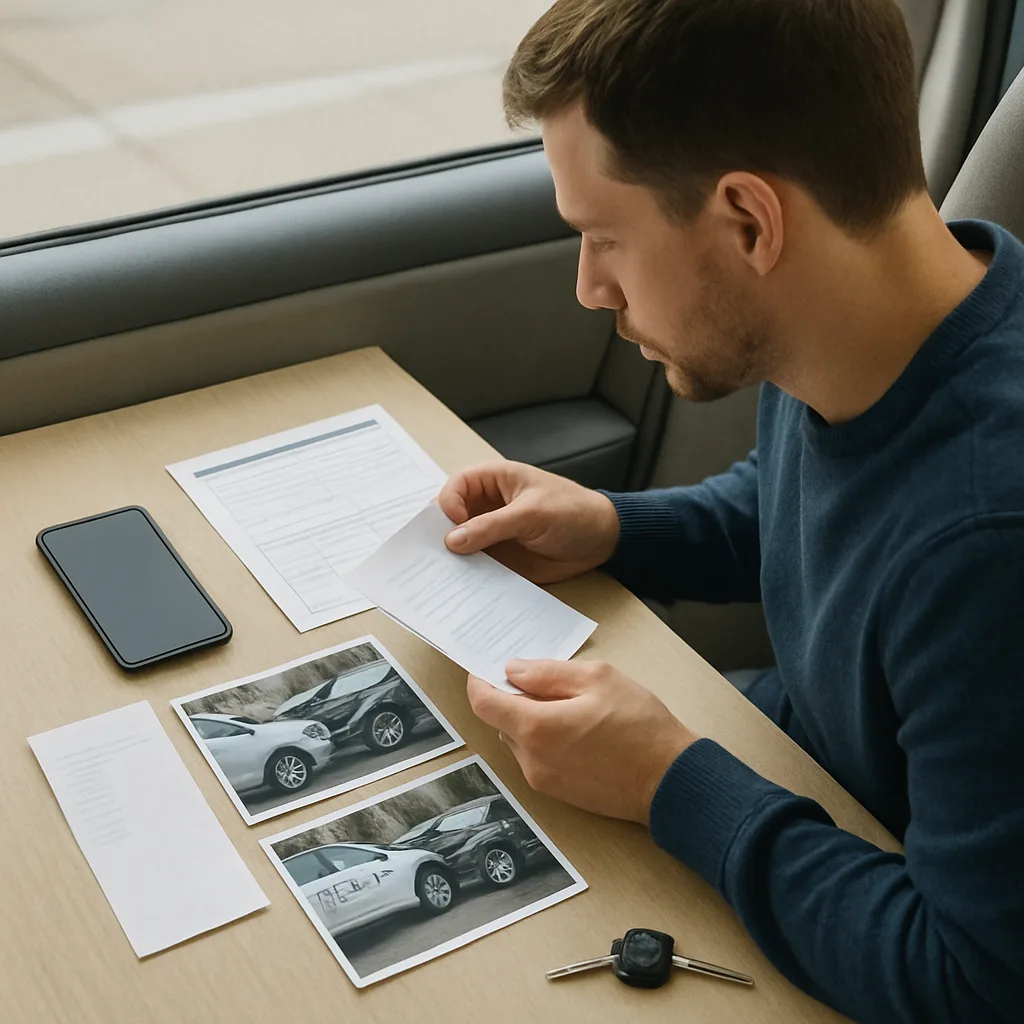
What Insurance May Apply After a Minneapolis Rideshare Crash?
The person making the claim matters as much as the driver’s app status. A passenger, another motorist, bicyclist, and pedestrian may have different insurance questions. Minnesota’s no-fault system can also affect medical expense and wage-loss benefits while fault and liability coverage are being reviewed.
Passengers, other drivers, and pedestrians
A rideshare passenger may have a claim involving the rideshare driver, another driver, or more than one insurer. An injured person in another vehicle may pursue benefits and liability claims based on the collision’s facts. A pedestrian may have access to different sources of no-fault benefits and may need help identifying the applicable policy.
Generally speaking, Minnesota no-fault benefits may help with certain covered medical expenses and income losses regardless of who caused the crash, subject to eligibility, policy terms, and statutory requirements. Read about Minnesota no-fault benefits for crash medical bills and lost wages for additional background. No-fault benefits do not answer every liability question, and they do not replace an analysis of available bodily-injury coverage.
Evidence that can clarify coverage
After a collision, preserve information before an app screen changes or a record becomes difficult to locate. Depending on your role, useful materials may include:
- Screenshots showing whether the driver was offline, available, en route, or transporting a passenger.
- The trip receipt, pickup and drop-off information, driver profile, and in-app safety or collision report.
- Photographs of vehicles, road conditions, traffic signals, visible damage, and the surrounding scene, when safe.
- Names and contact information for witnesses, passengers, responding officers, and other involved drivers.
- Medical records, bills, work absence records, and notes showing when symptoms began or changed.
Do not assume that a rideshare company or insurer will preserve every record you may need. A lawyer can discuss lawful evidence-preservation steps based on the circumstances.
Rideshare Crash Claims: Steps, Mistakes, and Insurer Communications
An immediate action plan can protect both safety and clarity. First, call emergency services when appropriate, obtain necessary medical attention, and exchange required information. Avoid arguing about fault at the scene. A driver’s apology, a passenger’s assumption, or a witness’s quick impression may not capture the full sequence of events.
Document the crash and medical course
Save screenshots and download trip-related records as soon as practical. Write down the time, location, direction of travel, weather, traffic conditions, and what happened while the details are fresh. If you are a passenger, preserve the receipt and driver information. If you are another driver or pedestrian, record the rideshare vehicle’s identifying details without placing yourself in danger.
Prompt medical evaluation may be important, but this article does not provide medical advice. Follow the recommendations of qualified healthcare professionals and keep appointment, billing, prescription, and mileage records when relevant. Symptoms can appear or worsen after a collision, so consider documenting delayed pain after a Minneapolis crash and noting when symptoms first appeared.
Be careful with recorded statements
Several insurers may contact you, including a rideshare company’s insurer, the other driver’s carrier, or your own insurer. Before speaking, confirm who is calling, which claim is involved, and whether the conversation will be recorded. Avoid guessing about speed, fault, or medical prognosis. You can review guidance about handling a recorded statement after a Minnesota car accident before responding.
In Minnesota, insurance deadlines, notice requirements, and claim procedures can vary by policy and circumstance. Laws also vary by location and may change, so a current review of the facts is important. Keep copies of every notice, email, claim number, and document exchanged with an insurer.
Frequently Asked Questions
Does Uber or Lyft insurance automatically cover every Minneapolis crash?
No. Coverage commonly depends on the driver’s app status, whether a trip had been accepted, whether a passenger was present, the applicable policy language, and who caused the collision. Personal auto insurance may be relevant when the driver is offline, while company coverage may become more significant during an active ride. These are general principles; the controlling coverage must be evaluated under the facts, policy terms, and Minnesota law.
What should an injured Uber passenger save after a collision?
An injured passenger may want to preserve screenshots of the active trip, the receipt, pickup and destination information, the driver’s profile, and any in-app report. Photos of the scene, witness details, medical records, bills, and work-loss documentation may also help. Records should be stored in a secure location. Depending on the circumstances, an attorney can discuss what additional documentation may be relevant to an injured Uber passenger claim.
Can another driver or pedestrian make a claim after a rideshare crash?
Potentially. Another driver, bicyclist, or pedestrian may have claims involving the rideshare driver, another person who contributed to the collision, and applicable no-fault or liability coverage. The available insurance can depend on the person’s role, the vehicles involved, and the facts establishing responsibility. A claim evaluation may require reviewing police information, witness accounts, medical documentation, and multiple insurance policies.
When should I speak with a Minneapolis rideshare accident lawyer?
Legal guidance may be useful when insurers disagree about the driver’s app status, coverage limits, fault, medical causation, or lost income. It may also help when injuries are significant, a pedestrian or bicyclist is involved, records are missing, or several people and policies are part of the claim. Speaking with counsel does not guarantee a result, but it may help you understand available options.
How Martin Montilino Can Help
Martin Montilino is dedicated to helping injured people assess the insurance and liability issues that can follow a rideshare collision in Minneapolis and elsewhere in Minnesota. The firm is committed to fighting for clients’ rights while examining app records, trip information, witness evidence, medical documentation, no-fault benefits, and communications from insurers.
When coverage or responsibility is disputed, the team is ready to evaluate your situation and explain potential next steps based on the available facts. Learn more about how Minneapolis accident lawyers protect injury claims or contact Martin Montilino for a free consultation and case evaluation.
The information in this article is for educational purposes only and does not constitute legal advice. Contact a qualified attorney licensed in Minneapolis, mn for advice specific to your situation.