
A bicycle-car crash can leave a cyclist dealing with more than immediate pain. There may be medical appointments, a damaged bicycle, disputed accounts of a traffic signal or lane position, and questions about which insurance policy applies. A Minneapolis bicycle accident claim can involve both a fault investigation and a separate review of available no-fault benefits.
Martin Montilino helps injured people understand these overlapping issues and prepare questions for the insurance and legal process. The firm’s Minnesota bicycle accident claims guide offers broader background, while this article focuses on a cyclist-centered checklist for the first days and weeks after a collision. It covers emergency care, damaged gear, helmet-camera footage, driver and witness information, roadway conditions, and communications with insurers.
Minneapolis Bicycle Accident Claim: Start With Safety and Evidence
After a collision, safety and medical attention come first. If emergency responders are present, explain what happened as clearly as possible and describe symptoms accurately. Even when injuries seem minor, a medical professional can evaluate the situation and create a record of the care provided. Avoid diagnosing yourself or assuming that a lack of immediate symptoms means there is no injury.
Preserve the bicycle, gear, and digital evidence
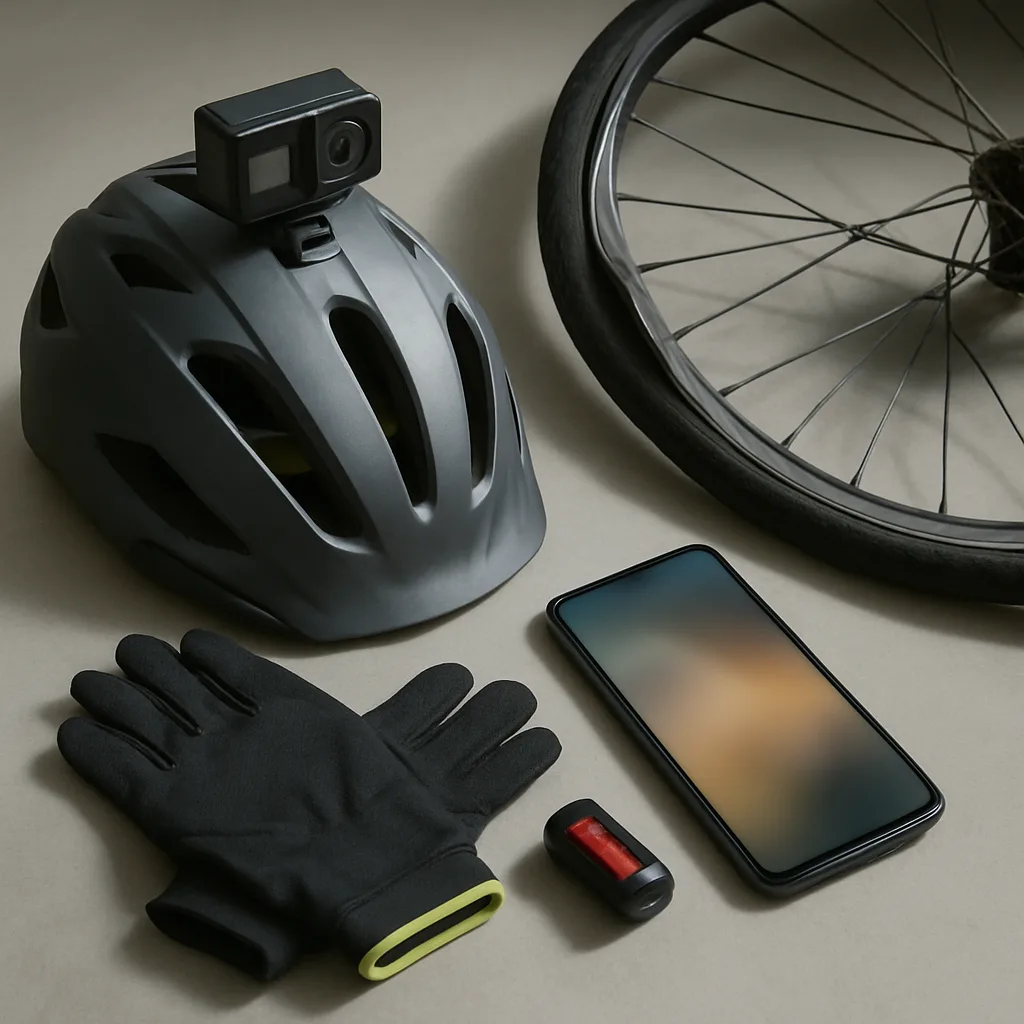
Do not discard or repair the bicycle, helmet, lights, clothing, or other equipment before documenting their condition. Take photographs from several angles, keep purchase receipts if available, and save repair estimates. Damaged equipment may be relevant to the property-damage portion of a claim, separate from bodily-injury issues.
If a helmet camera, bicycle computer, phone, or vehicle camera recorded the crash, preserve the original file. Save copies in more than one secure location and avoid editing the footage. Note the device settings and approximate time of recording. Video may show traffic signals, vehicle movement, roadway position, or what happened immediately before impact, but its meaning depends on the full circumstances.
How Fault and Insurance Interact After a Bicycle-Car Crash
A cyclist may need to investigate whether the driver failed to yield, turned across a bicycle’s path, opened a car door into the rider’s path, followed too closely, or otherwise violated a traffic rule. The driver’s account is only one part of that investigation. Minnesota generally considers the conduct of all involved parties when evaluating fault, and the effect of a cyclist’s alleged contribution can depend on the facts and applicable law.
Build a Minneapolis crash evidence file
Photograph the intersection or roadway as soon as it is safe, especially if construction, weather, lighting, lane markings, sight lines, or road defects could change. Capture the bicycle’s approach, the vehicle’s position, traffic controls, nearby driveways, and any visible debris. If the collision occurred at a Minneapolis intersection, evidence about signal timing, turning movements, and right of way may matter. The Minneapolis intersection crash evidence and fault resource provides additional context about preserving these details.
Record the following information when possible:
- The driver’s name, contact information, insurer, policy information, and vehicle details.
- The responding agency and report or incident information, if provided.
- Names and contact information for witnesses, including people who saw the moments before impact.
- Photos or video of the roadway, bicycle, vehicle, helmet, clothing, and visible injuries.
- A personal timeline describing the route, signals, traffic, lighting, weather, and impact.
Do not argue about fault at the scene. A traffic citation, police report, or witness statement may be relevant, but none necessarily resolves every civil claim issue. Physical evidence, video, medical records, and consistent accounts may all be considered.
Explore coverage before fault is resolved
Liability insurance may become relevant if the driver is legally responsible, but a cyclist should also investigate whether Minnesota no-fault coverage may be available for accident-related medical expenses or lost income. The source of benefits can depend on circumstances such as household insurance coverage and the policies involved. These benefits are not the same as proving the driver caused the crash. Review Minnesota no-fault benefits for medical bills and lost wages to understand why the two insurance questions should be evaluated separately.
Common Claim Mistakes and the Next Steps
Insurance communications can begin quickly. An adjuster may ask for a recorded statement, request broad medical information, or present an early payment proposal. Be accurate and courteous, but do not guess about facts, minimize symptoms, or sign documents you do not understand. Keep copies of every letter, email, estimate, bill, and form.
A first settlement offer may not account for continuing care, time away from work, bicycle replacement, damaged safety equipment, or the overall recovery outlook. That does not mean every offer is improper; it means the cyclist should understand what the payment is intended to resolve before accepting it. Documentation should generally include:
- Medical records and bills related to the collision.
- Wage or income-loss information, where applicable.
- Bicycle, helmet, clothing, light, and accessory replacement or repair costs.
- Photos, video, witness details, and the crash report.
- Notes about communications with insurers and any claim deadlines provided.
A cyclist may also need to consider whether the driver disputes the signal, lane position, visibility, or right of way. A car-door collision can raise additional questions about where the door opened, what the driver could see, and whether the roadway design or parked-vehicle arrangement affected visibility. Because deadlines and insurance procedures vary by jurisdiction and policy, prompt legal review may be useful when injuries are significant, fault is contested, coverage is unclear, or evidence may be lost.
For practical guidance about evaluating an early proposal, see handling a low insurance offer in Minneapolis. After organizing the checklist above, readers can also review when to call a Minneapolis bicycle accident attorney if the claim involves disputed facts, serious injuries, inadequate insurance, or complex evidence.
Frequently Asked Questions
Can a cyclist pursue a claim if the driver says the cyclist caused the crash?
Potentially. A disputed account does not by itself decide a claim. Investigators may examine traffic signals, lane positioning, visibility, vehicle damage, video, witness accounts, and roadway conditions. Minnesota’s rules concerning comparative fault may affect recovery when more than one person contributed to an accident. The outcome depends on the evidence and applicable law, so a cyclist may benefit from discussing the facts with a licensed Minnesota attorney.
What should I do if my bicycle is damaged but I feel able to leave the scene?
Photograph the bicycle and all damaged gear before moving or repairing anything, if doing so is safe. Obtain driver and witness information, report the collision as appropriate, and arrange a medical evaluation if symptoms develop or if responders recommend care. Keep receipts, repair estimates, and proof of ownership. Property damage is generally documented separately from bodily injury, although both may arise from the same collision.
Does a helmet-camera recording prove who was at fault?
Not automatically. A recording may provide useful evidence about traffic signals, speed, positioning, visibility, or the moments before impact, but it may not capture every relevant angle or circumstance. Preserve the original file and related device information without editing it. Other evidence, including witnesses, photographs, reports, vehicle damage, and medical records, may also affect how the collision is evaluated.
What if the driver has little or no insurance?
Coverage options may still require investigation, including available no-fault benefits and any applicable uninsured or underinsured motorist coverage. The answer can depend on the cyclist’s household policies, the driver’s policy status, and the facts of the crash. Do not assume that a lack of apparent coverage ends the inquiry. An attorney can help identify questions to ask about policies, claims, and applicable deadlines.
How Martin Montilino Can Help
Martin Montilino is dedicated to helping Minneapolis cyclists understand the legal and insurance issues that can follow a vehicle collision. The firm can evaluate the available evidence, including medical documentation, damaged bicycle and gear records, witness information, camera footage, roadway conditions, and communications with insurers. Depending on the circumstances, the team may also help assess disputed fault, potential no-fault benefits, and the effect of an insurance offer.
If you or someone close to you was injured while riding, contact Martin Montilino for a free consultation or case evaluation. The firm is committed to fighting for your rights while helping you explore your legal options.
The information in this article is for educational purposes only and does not constitute legal advice. Contact a qualified attorney licensed in Minneapolis, mn for advice specific to your situation.